
Foodopolis
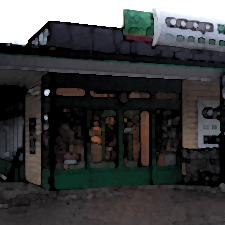 Foodopolis was a local chain of high-end grocery stores with 10 locations in Greater Rivertown.
Contents |
The original Foodopolis was built in 1978 in Rivertown Central. The chain grew slowly but steadily, adding a total of 10 stores overall throughout the Greater Rivertown area. Of the Rivertown locations, on three are left standing: two downtown locations and one in Rivertown North
The Fugere family saw a need in Rivertown for a high end grocery store and built their first family-run store downtown in 1978. The concept proved a hit with both young professionals and working class families, with the store's emphasis on quality, locally produced foods. When zoning laws forbade them from expanding their original location, they added a second store a few miles north. The risk paid off and Foodopolis became one of the region's most successfuly locally owned and operated businesses, adding a total of 10 stores throughout the area, all very successful.
Like all grocery stores, Foodopolis was hit early, repeatedly, and severely in the worst years of social unrest, forcing the premature closure of 4 locations as inflation drove prices up as unemployment grew. The owners responded first by changing their stock to more easily affordable brands, then by whatever they could get. Most locations succumbed to the sweeping fires and wanton destruction occurring during the superflu epidemic and in its wake.
All three stores are in poor condition, having been ravaged by fire and repeatedly vandalized and looted over the years. However, all three locations have at least three walls and 50% of the roof/ceiling, making them habitable.
The downtown and Rivertown North Foodopolis locations are frequently inhabited by squatters; the third, located between these two, houses the bodies of ten men, women, and children in what appeared to be a ritual sacrifice. It is rumored to be haunted.
The MPD target all three locations for semi-regular sweeps.
While the contents of the store have long been emptied, the Foodopolis locations remain a viable locations for scavenging due to the number of squatters taking up short-term residence and being forced out before they can retrieve their stored and/or hidden goods.
The Rivertown Compendium draws from the much larger Rivertown Chronicles, a wide assortment of personal narratives and catalog entries of people, places, and things.